Since early 2022, Russian authorities have orchestrated the forced transfer of ownership of more than 500 private businesses, according to a report by the London School of Economics and Political Science. These takeovers typically follow three key patterns:
- State Control of Foreign-Owned Assets – The Russian government has placed local assets of international companies under temporary state administration, impacting firms such as Uniper, Fortum, Carlsberg, and Danone.
- Court-Mandated Nationalization – Russian courts have ruled that certain businesses were acquired illegally, resulting in state seizures. Affected companies include food producer Makfa, Solikamsk Magnesium Plant, and wine producer Kuban-Vino.
- Forced Sale of Strategic Enterprises – Authorities have coerced the sale of companies deemed strategically important, such as Tinkoff Bank, auto dealer Rolf, and Bashkir Soda Company.
Regulatory pressure on foreign businesses has driven over 50% of these takeovers, while court rulings account for nearly 40%. Forced sales represent just 10% of cases.
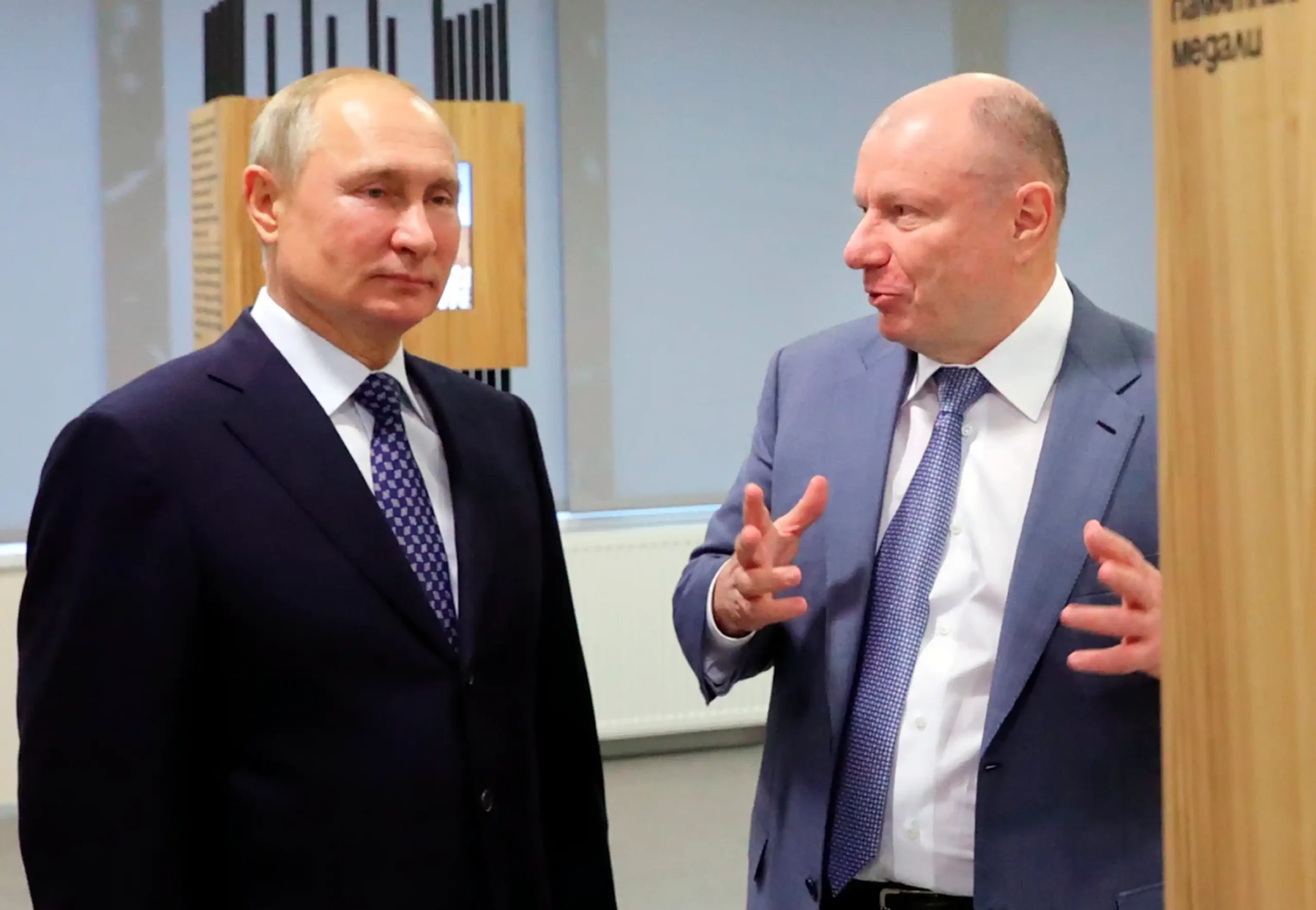
A central figure in Russia’s opaque business environment is billionaire Vladimir Potanin, who reportedly serves as a nominal owner for FSB generals. Meanwhile, individuals close to Chechen leader Ramzan Kadyrov have secured control over several seized companies with Kremlin approval.
Additionally, the sports betting industry has been handed over to Umar Kremlev, an associate of high-ranking officials from President Vladimir Putin’s security apparatus.